
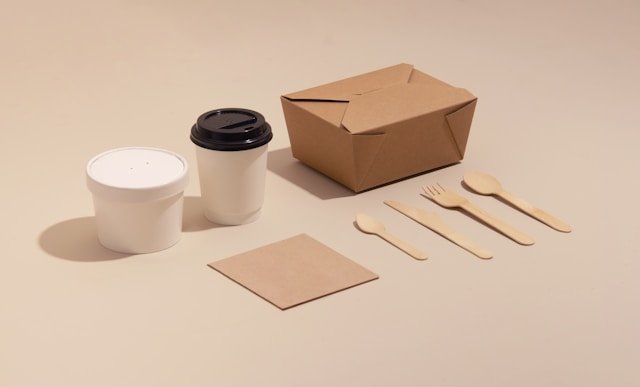
In recent years, there has been a significant acceleration in the shift of restaurants towards takeaway options, with the initial impetus being the onset of the global pandemic. The shift can be divided into three distinct stages:
- Prior to the pandemic, takeaway and delivery services were already experiencing steady growth due to evolving consumer habits and technological advancements. However, the global health crisis forced many restaurants to adapt quickly, establishing takeaway as a central part of their business model and transforming the foodservice industry in lasting ways.
- During the pandemic, lockdowns and social distancing measures severely limited dine-in services, prompting restaurants to quickly start offering takeaway and delivery to survive financially. With indoor dining restricted or banned in many regions, takeaway became the primary or sole means of maintaining customer engagement and revenue. This urgent need has led to increased investment in packaging, digital ordering platforms and delivery logistics.
- Beyond pandemic-related restrictions, evolving consumer behaviour has contributed to the sustained growth of takeaway services. Busier lifestyles and a demand for convenience mean that customers are seeking quick and accessible food options. Takeaway enables people to enjoy restaurant-quality meals without the time commitment or formality of dining in, making it a better fit for modern routines.
Factors other than pandemic should also be mentioned. That includes:
Sustainability and cost efficiency
Dine-in services often require larger spaces and more staff, which increases overheads. Takeaway operations, however, can be managed with smaller kitchens and fewer front-of-house employees, thus reducing expenses. Additionally, restaurants are adopting eco-friendly packaging solutions, like food delivery packaging boxes, to meet consumer demand for sustainable practices in takeaway food services.
Technological advancements
The rise of smartphone apps and online ordering platforms has streamlined operations for restaurants and made ordering more convenient for customers. These tools offer user-friendly interfaces, real-time tracking and a variety of payment options, making takeaways more appealing and accessible. Many restaurants have integrated their own ordering systems alongside third-party delivery services to optimise reach and control over the customer experience.
Competition within the food industry
Takeaway expands the customer base beyond the restaurant’s immediate geographic location. By offering takeaway and delivery services, restaurants can reach customers who prefer to eat at home, at work or in other locations, thus broadening their market reach and increasing their sales potential.